
Finding the gap
Public health officials turn to community for suicide-prevention ideas
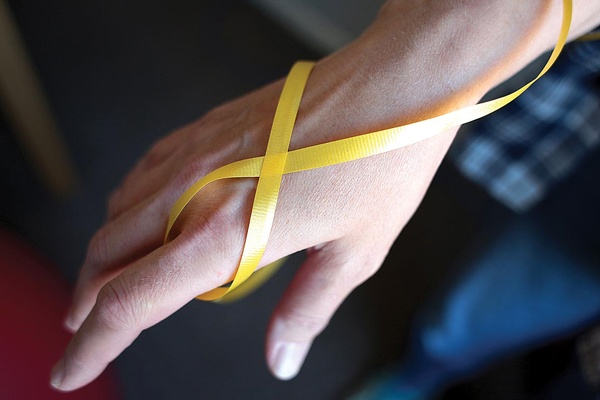
According to one of the country's leading health organizations advocating for suicide prevention, support, education and research – the American Foundation for Suicide Prevention – almost 45,000 Americans die from suicide each year and for every one of those, 25 people attempt it./Photo by Jennaye Derge
The numbers are startling. According to the American Foundation for Suicide Prevention, one person dies from suicide every eight hours in Colorado. In fact, the state has the ninth-highest suicide rate in the country.
Over the past several years, those rates have been steadily increasing, both in Colorado and nationally. Claire Ninde, spokeswoman for the San Juan Basin Health Department, admits it’s escalating, but no one can explain exactly why.
“My thought is, there’s something about connectedness that is missing,” she said.
The fact that no one knows for certain why the numbers are trending upwards is exactly why public health officials in the Southwest are turning to their neighbors.
Described as a kick-off conversation with the community, the San Juan Basin Health Department is hosting a Suicide Prevention Community Summit from 5-8 p.m. Thurs., May 11, at Miller Middle School.
The event includes suicide awareness and intervention training, followed by break-out sessions for specific demographic groups, like seniors, LGBTQ youth and the parents of elementary-aged children. The health agency also plans to provide activities for children over 6 years old, Spanish-language interpreters and snacks.
Although they’ll have some training and discussion, the undisputed goal of the event is feedback. Public health officials can’t address suicide prevention without first learning where support is lacking.
They want to know what the locals think is missing. “Where are the gaps in support?” Ninde asked.
The feedback they receive from the event will shape suicide-prevention efforts moving forward, so this is not the end of road. San Juan Basin Health plans on following up with other programs, events and resources that will fill the gaps they find.
Suicide prevention is a relatively new topic among public health professionals, Ninde said, but it is clearly a public health issue.
The idea for the summit first sprang from conversations with local school districts, she added, but the need for this kind of event is spreading beyond the schoolyard.
“(San Juan Basin Health) supports the sentiment ‘it takes a village,’” their press release reads. “Understanding the positive impact that individuals and groups outside the family have not only on children, but individuals of any age ... Through efforts like the summit, (the department) advocates for a society that meets all of an individual’s needs.”
And, it can’t happen soon enough, according to Ninde.
Just days ago, another area resident committed suicide, becoming the ninth person to do so in La Plata County this year alone. That’s more than half the total for all of 2016.
According to one of the country’s leading health organizations advocating for prevention, support, education and research – the American Foundation for Suicide Prevention – almost 45,000 Americans die from suicide each year and for every one of those, 25 people attempt it.
The numbers among younger individuals, though, are what really caught Ninde’s eye.
In the most recent Healthy Kids Colorado survey, published every two years by the Colorado Department for Public Health and Environment, almost 15 percent said they seriously considered suicide in the past year and almost 8 percent actually attempted it. Those numbers increase dramatically for female students and those who identify as LGBTQ.
Of the more than 15,000 students who participated in the survey, almost one-third admitted they’ve felt sad or hopeless every day for at least two weeks during the past couple months. It’s an admission, Ninde said, that is an indicator for suicide.
It turns out, suicide is the leading cause of death among 10-14-year-olds, but it’s something that can affect anyone at any age. “We’ve got issues at all age groups,” she explained.
Only by talking to residents across the region, can public health officials address the needs of the community and actually prevent suicide.
“We have to come together as a community to solve this,” she added.