
LPEA to study non-coal options
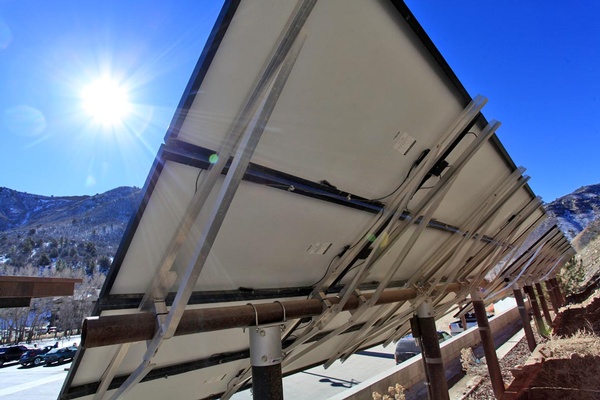
Electricity products and costs are changing fast. Solar especially, but even wind, used to be considered expensive.
But that was then. Prices of renewables have been tumbling so rapidly that more and more utilities are sizing up their options.
The latest to make a move is La Plata Electric Association. The local co-operative is one of 43 co-ops from New Mexico to Wyoming supplied by Tri-State Generation & Transmission. Tri-State transmits electricity from the big federal dams of the West and, to a lesser extent, other renewable resources: 26 percent altogether. Most of the rest comes from coal-fired power plants.
By a 6-to-5-vote, LPEA directors agreed to “evaluate likely scenarios” for the co-op’s “energy needs for the next 10 to 15 years.” For each scenario, the committee is to “account for possible costs, risks, benefits and legal and contractual obligations ... .”
Nowhere is there specific mention of Tri-State, but a press release notes that there have been discussions among directors and residents about the value of the co-op’s remaining 33-year contract with Tri-State. The subcommittee is expected to research various options by March 21.
The Durango City Council last September received a petition with 1,000 signatures calling for the city government to ensure that 100 percent of its electricity comes from local, renewable sources by 2050.
The contract with Tri-State to 2040 obligates LPEA to get 95 percent of its power from the wholesale provider.
One other electrical co-op has already bailed from Tri-State, although the 2016 divorce cost Taos-based Kit Carson Electric $37 million. Kit Carson has set out to achieve 100 percent renewable generation during daylight hours by 2020. Further, directors believe this can be done while actually saving ratepayers money. They are working with a new company, Guzman Energy, which has an office in Denver.
Another co-op, Delta-Montrose Electric, may be leaving. Minutes of the board of directors meeting for January 2017 say that the board adopted a resolution directing the co-op’s chief executive to “negotiate the terms of an exit from Tri-State.”
The current contract calls for Tri-State to supply up to 95 percent of the co-op’s power through 2040. However, in what many saw as a decision with regional if not national implications, the Federal Energy Regulatory Commission several years ago sided with the Delta-Montrose in a fight with Tri-State. The disagreement was over whether or not the co-op had latitude to get more than 5 percent of its power from local sources. The electricity in question comes from harnessing fast-moving water in an irrigation canal.
The background story is that renewables, coupled with natural gas, time and again, are undercutting prices of coal-generated electricity.
A case in point: Xcel Energy announced its plans last August to close two coal plants in Colorado early and replace the lost electrical generation with renewables and natural gas. It said it could do so while keeping the rates flat or possibly even reducing the costs to consumers.
If that change is approved by state regulators, 55 percent of Xcel’s power in Colorado will come from renewables.
Xcel provides electricity for Breckenridge and other Summit county towns and is a wholesale provider for various other electrical co-ops, including those that serve Steamboat Springs, Vail and portions of Aspen.
Even so, the bids of independent power producers announced in late December surprised many, drawing national attention. They are low, low, low. Forget about the reputation of renewables being like Perrier.