
Purgatory lynx died of natural causes
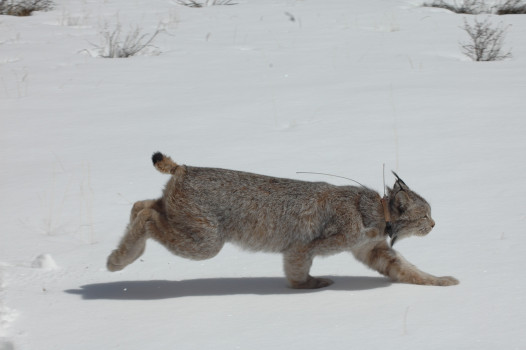
A photo of a lynx as it was released by CPW as part of the reintroduction program in 2006 near Creede. Through GPS collar and micro-chipping, it was determined that the 11-year-old male found dead near Purgatory was a direct offspring of the original introduction in 1999. He was born in 2005 near Telluride. /Courtesy CPW
A lynx that was found dead on the slopes of Purgatory on Jan. 8 died of natural causes, Colorado Parks and Wildlife announced Wednesday. The lynx was seen by dozens of people at the ski area and a video of the cat was viewed on social media nearly 1 million times.
A necropsy of the 11-year-old male found a tumor in the animal’s throat that prevented it from eating. Although not common, tumors are found in wildlife.
While the news was greeted with sadness by many people, this lynx is symbolic of the success of CPW’s reintroduction program.
“The cat lived a long life in the wild and spent its time in some of Colorado’s most incredible backcountry,” Scott Wait, senior biologist for CPW’s southwest region, said. Wait was involved with the reintroduction from the start and continues to work on long-term monitoring efforts.
Lynx from Canada and Alaska were transplanted to Colorado starting in 1999. Most were released near the Weminuche Wilderness, chosen for its lack of roads. The cats that were released were fitted with radio collars, allowing CPW to monitor them, watch for mortalities, find their dens and locate newborn kittens. In addition, a microchip was implanted into all kittens ? the same type veterinarians use ? so researchers could identify the animals later if found.
To the delight of biologists, a chip was found in this lynx and it revealed the cat was born in the Bear Creek area near Telluride in 2005. The cat’s mother was one of the original lynx released in the reintroduction program. A record number of lynx dens, 16, were found that year by CPW biologists.
In 2009, the Purgatory cat was captured as part of a research effort and fitted with a GPS collar, which revealed it was living in the remote area between Telluride, Rico and Purgatory. The collar eventually fell off the animal.
“The lynx lived in what is the best type of habitat for its species, high elevation and thick spruce-fir forest. This shows that much of Colorado’s high country is suitable lynx habitat,” Wait said.
A long-term monitoring project in Southwest Colorado that uses snow-tracking and remote cameras has shown that lynx are doing well in the wild. Frequent sightings in mountain areas also provide anecdotal evidence that cats are now part of the Colorado ecosystem. However, because the cats are so elusive, CPW cannot accurately estimate their population.
Even though the lynx was in its last days when it was seen on the ski slopes, the sightings provided a rare opportunity for people to see a large cat in the wild, said Patt Dorsey, CPW’s southwest regional manager.
“We talk a lot about the importance of wildlife, but when we get to see extraordinary animals in the wild, it gives us a much greater appreciation of their beauty and of the importance of conserving the natural world,” Dorsey said.
To read more about lynx, go to the CPW web site at: http://cpw.state.co.us.