In defense of the train
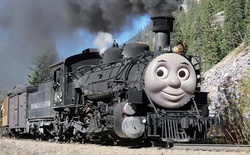
Connor Carmichael - 06/18/2026There’s a particular kind of eye-roll reserved for the Durango & Silverton Narrow Gauge Railroad. You see it most often from environmental purists, anti-capitalist romantics and people who have done enough theory to distrust anything that burns fuel and sells tickets. The train, they’ll tell you, is loud, dirty, touristy, extractive – an anachronism belching smoke through a fragile mountain corridor. I used to agree with them. Philosophically, morally, even aesthetically.
But something shifted.
For years, the standard defense of the train has been economic. It brings in money. It fills hotels. It keeps restaurants open through shoulder season. It pays wages. All true. And all deeply incomplete. You don’t keep something alive for over a century just because it pencils out on a spreadsheet. If that were the case, we’d bulldoze half the town the moment margins tightened.
What the train actually brings is joy. And not the flimsy, Instagram-caption kind – but the deep, bodily kind. The kind that vibrates through a place.
Stand anywhere near Main Avenue when the whistle blows. Watch kids freeze mid-step. Watch dogs lose their composure. Watch grown adults – people who pay taxes, argue about zoning, worry about interest rates – turn briefly into children again. The train doesn’t just arrive; it announces itself. It insists on being felt.
Durango is an isolated desert mountain town, whether we admit it or not. We are far from everything, and winter reminds us of that regularly. Isolation can sharpen a place, but it can also hollow it out. What saves towns like this is not efficiency – it’s enchantment. Ritual. Repetition. A sense that something larger than daily transactions is still happening here.
The train is history made audible. It doesn’t sit behind glass or in a museum wing. It moves. It breathes. It demands maintenance, skill, apprenticeship and memory. It preserves not just objects but practices. How metal fits metal. How fire is fed. How time once moved slower and louder.
I used to believe that moral consistency required opposition – that to be environmentally serious meant rejecting anything so obviously industrial and nostalgic for an extractive past. But purity is a brittle philosophy. Life is messier, and places survive on more than correct positions.
A town that allows joy to vibrate – literally, through sound and steam and shared attention – is a town with a pulse. Not everything that matters can be justified by carbon math alone. Some things earn their place by what they awaken in people.
I’ve made peace with the train, because I’ve made peace with the idea that a good town is not just a clean one or a profitable one, or a politically coherent one.
It’s a town that remembers how to feel wonder together.
And that’s a town worth living in.
-
- 06/18/2026
- In defense of the train
- By Connor Carmichael
-
How one jaded local learned to make peace – and even appreciate – the train
- Read More
-

- 06/11/2026
- What's up, doc?
- By David Feela
-
Scrolling for a diagnosis in a system on life support
- Read More