
Advice from a part-time pro
From ski bumming to guiding, seasonal jobs have their pluses – and pitfalls

Although seasonal work, such as guiding or working on a trail crew, can have its advantages, there are drawbacks, including somewhere to land between gigs and hauling and storing your gear from one job to the next./ iStock photo by Georgijevic
I was a student at Western Colorado University in Gunnison when my professor told our class he had a message for anyone wanting to work as a seasonal in the outdoor industry after graduating. His message was simple: “Get out of my classroom.”
It wasn’t that he didn’t want us working as outdoor guides, trail crew leaders or ski bums. He wanted us to work as a seasonal, then come back to college when we were ready to value the economic stability of a degree.
“You don’t need a degree to be a guide,” he said. “A degree is so you can move into management after you burn out.” Most outdoor guides he knew burned out after five to seven years in the field, he said.
I took his advice and dropped out. It took me only three years to burn out.
It started when I took a sabbatical between my junior and senior years. I found work for a season on a schooner, then at an organic farm, and finally with AmeriCorps in Denver. After finishing my bachelor’s degree, more seasonal jobs followed: a stint at a museum, a tall ship on the Hudson River, working as an outdoor educator. For four years, I moved every two to eight months.
I was lucky. I was still on my parents’ health insurance. My car never broke down. I had no student loans, so I could build up a financial cushion.
Seasonal work provided travel, flexibility, constant learning and sometimes fun. But if you asked me now if I’d recommend it, I’d have to say “no” – unless you plan ahead. I learned that the hard way.
After one seasonal job fell through, I found myself over a thousand miles from home and a month away from being homeless. Luckily, I found work as a library assistant and temporarily moved in with my family back in Colorado. I qualified for the library position only because of my bachelor’s degree in Spanish, which I had finally finished thanks to my outdoor education professor.
Here are some of the hard questions I had to answer while working as a seasonal: Where would I live between contracts, and what was the distance between jobs? Where would I store all my stuff? When I worked on the East Coast, I was a four-day drive from my family in Denver, which made moving and swapping out gear extra difficult, especially in winter weather.
As a seasonal, you also have to keep start and end dates of seasonal jobs in mind, as not all run on the same schedule. If you live in employee housing, you risk becoming homeless between contracts. Always ask about relocation and travel stipends to fund the in-between.
If you enjoy a job and feel like you could learn more, try to return for multiple seasons. You’re more likely to be offered a permanent or management position, and it shows consistency to future employers. You’re also likely to make more money if you ask for a raise every season.
Seasonal work lets you try on professions until you find a good fit, or not. But regardless of how cool a job sounds, or how qualified you are to do it, you always need a backup plan.
Apply for multiple positions and be open to learning new skills on the job. If you have the chance to cross-train or pivot to doing something new at the same workplace, do it. And if you get a job with the U.S. Forest Service or any other federal land management agency, know that these days you could be fired without notice.
My professor was right. My degree saved me when seasonal work became too stressful to keep pursuing. But working seasonally in the “real world” and out of a classroom was invaluable. I had to be resilient and adept at picking up technical skills while connecting with people I would never have met while attending classes. I became someone who was always ready to learn new things.
When I finish my master’s degree, I want to teach, holding onto summers for outdoor jobs. This time, I’ll be doing it right.
Kira Cordova is a contributor to Writers on the Range, writersontherange.org, an independent nonprofit dedicated to spurring lively conversation about the West. She is currently working a seasonal job for Outward Bound while also completing a master’s degree in nature writing online.
-
- 05/28/2026
- Quick 'n' Dirty
- By Missy Votel
-
Help for the Demon Bridge, Highway 550 N closure, and fire mitigation falls off
- Read More
-
- 05/28/2026
- Getting crafty
- By Haylee May / Colorado Public Radio
-
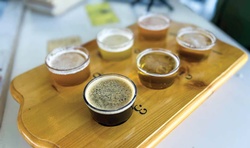
Colorado brewers buck national trend by adapting to changing times
- Read More
-

- 05/21/2026
- Taming the ART
- By Missy Votel
-
City chooses education, striping over speed limit on River Trail
- Read More
-

- 05/21/2026
- Planned Parenthood reopens
-
PPRM president credits local community in getting clinic running again
- Read More
- Short legs, big party
- 05/28/2026
-
On most days, Tracy Harwood spends her time as a court clerk for the City of Durango. But next Thurs., June 4 – International Corgi Day – she hopes to bring something entirely different to town: short legs, wiggly butts and oversized personalities.
- River cowboy
- 05/21/2026
-
It’s a mash-up made in Westernwear heaven. Sort of. Seems Chaco, the purveyor of the iconic strappy dirtbag river rat footwear, has joined forces with Wrangler, as in tight jeans, big belt buckles, bull riding and snap shirt fame.
- Making plans
- 05/14/2026
-
Wondering what’s up with the old 9-R Admin building at the end of E. 2nd Avenue that was going to be a fire department, then wasn’t going to be a fire department and is now going to be City Hall and the Police Department?The City of Durango will demystify plans for the historic building during a public session Wed., May 20, 5:30-7:30 p.m. at the Durango Recreation Center.
- Going for the gold
- 04/30/2026
-
Turns out, blondes do have more fun, or at least they get more awards. Last week, Ska Brewing won the gold medal for its True Blonde Ale in the English-Style Pale Ale category at the 2026 World Beer Cup. This is the third win for the Blonde at the World Beer Cup, held in Philadelphia on April 22 and pegged as one of the world’s most prestigious beer competitions.